“The further a society drifts from truth, the more it will hate those who speak it.”
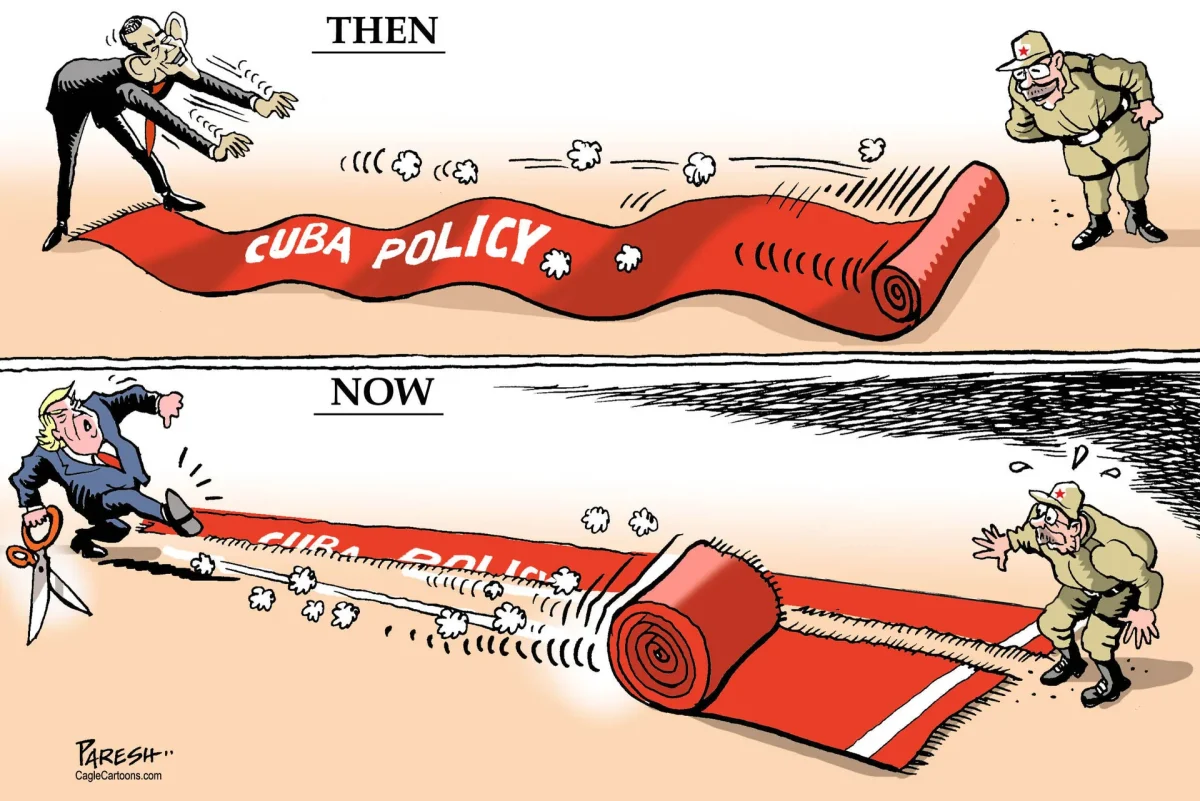
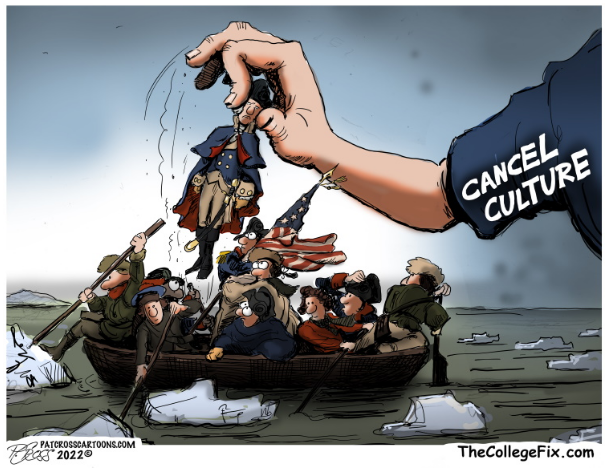
In the 21st century, we see a new digital phenomenon: cancel culture. It’s become the epitome of social ostracization. And oftentimes, cancel culture is rewarded with an individual’s sense of Savior complex – a disease which seems to have infected the masses. But to argue that this impulse is entirely new ignores the echoes of human history. Humanity has always possessed this defensive urge to ward off ideas that threatened to establish order. During the 16th century, in the midst of the protestant reformation, the catholic coalition aggressively purged those whom they deemed were heretics – those with unorthodox religious ideas – all to protect their moral fabric. Centuries later, when the heliocentric model was introduced, Galileo Galilei was put on trial for defending the model. Perhaps, then, this defensive mechanism is simply ingrained in our social DNA. Humanity has always built walls against the unknown, punishing the outliers to preserve the integrity of the collective group.
But if we are looking for a more accurate historical event that mirrors today’s landscape, we must look to the Salem witch trials. In the 17th century, a single physical blemish was enough to erase a person’s entire humanity; today, social media does exactly that.
Instead of a mole or a scar, our modern witch hunt hunts for a ‘snippet’. Whether it’s a tweet you made 13 years ago or a 10-second clip, it is naive to assume you are safe from public scrutiny, enough to potentially ruin your entire career. This vulnerability stems from our use of platforms governed by algorithms that reinforce polarization. These digital echo chambers reward extreme views, and many leech off of those extremes creating an suffocating environment where one is unable to have a nuanced or slightly unconventional opinion; otherwise they would be canceled.
In “The Coddling of the American Mind”, free speech experts Greg Lukianoff and Jonathan Haidt argue that this hostility is the result of a deeply destructive fallacy: the “Untruth of Us Versus Them” – a toxic belief that life is simply a battle between the good and the evil. With this kind of black-or-white thinking, the online mob quickly retreats into what Lukianoff calls “rhetorical fortresses.” Instead of engaging with the actual substance of a mismatched, inconvenienced, or sometimes even misguided viewpoint, audiences deploy a set of rhetorical deflections, most notably, the straw man fallacy. They exaggerate the original, nuanced claim and replace it with an unrecognizable, often extremist view. This process relies on the lazy psychological assumption that a single “flawed” statement, idea, or action, ultimately “infects” the individual as a whole. They are labeled a monster before they are a caring daughter, a loyal friend, or a compassionate son, and people do not stop to consider that someone can approach a conflict in a “wrong” way while still being a “good” person. How is it fair that we are reduced merely to the nature of our mistakes? By dismissing entire arguments through ad hominem attacks on a speaker’s identity, cancel culture strips away nuanced thinking, rewards polarization, and erases the truth.
Defenders of this phenomenon often argue that anti-cancel culturists are an attempt to protect the privileged and the powerful, shielding those in high status from accountability. But this defense completely misunderstands who is actually facing the digital chopping block. While the wealthy can easily weather a public backlash, we are seeing a surge of working-class individuals becoming a subject to their livelihoods stripped away, facing permanent social outcasting for mistakes made when they were still developing teenagers.
Centuries ago, victims of public humiliation rituals and religious excommunication were given one, desperate escape route: pack up, move to a foreign state or country, and build a new identity. They were also given the choice of death. But the digital age offers no mercy or the luxury of a fresh start. Today, your digital footprint follows you everywhere. It travels across oceans, goes beyond borders, and makes its way right back at you. This permanent visibility alters how the younger generation behaves, with B-CC junior Elisa Martinez Fargis stating that youth feel forced to “curate the perfect online image, because they know it’s something that’s going to follow you.” BCC junior Julie Newman echoed this concern, explaining that “it’s very hard to dig yourself out of a hole,” because even if someone deletes a post, “it’ll still be there.” It is simply ignorant to say, now, that this is something that solely affects those in power. And while the law protects us from government censorship, it cannot protect us from a society that runs on fear, which actively practices chronic self-censorship. And when society is so hostile that it pulls us back from saying what we truly mean, can we really call this freedom of speech?
Furthermore, this hyper-reactive environment shuts down opposing viewpoints and feeds into the dangerous loop of groupthink – a psychological phenomenon where a close-knit community prioritizes unity before critical thinking. What we fail to realize, however, is that we are often just sitting on opposite sides of the same coin, fighting for the same core values of justice and safety, but divided by a performative correctness that overshadows the truth. Silencing a person will never change what they believe. When we so easily cut off ideas that challenge our own, we prevent discourse. And by preventing discourse, we allow for fewer opportunities to open our eyes to issues we may not have realized by ourselves, and progress as a society.
When we write off a person’s perspective and cast them out of the conversation, we disregard their unique background and life experiences. By refusing to allow people the grace to be wrong, we strip away their capacity to ever learn how to be right.
To “agree to disagree” seems to be a stolen art in the modern age. Yet, a society which values truth must also value disagreement. Progress begins not by silencing people, but by challenging ideas without forgetting the humanity of those who hold them.