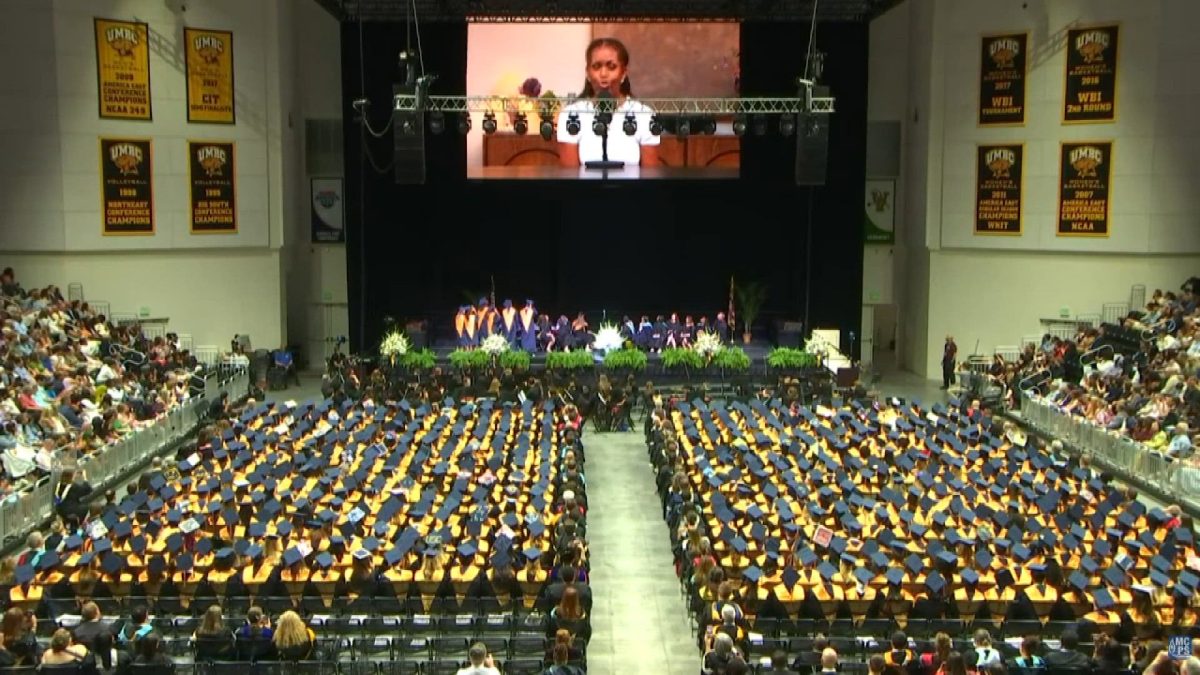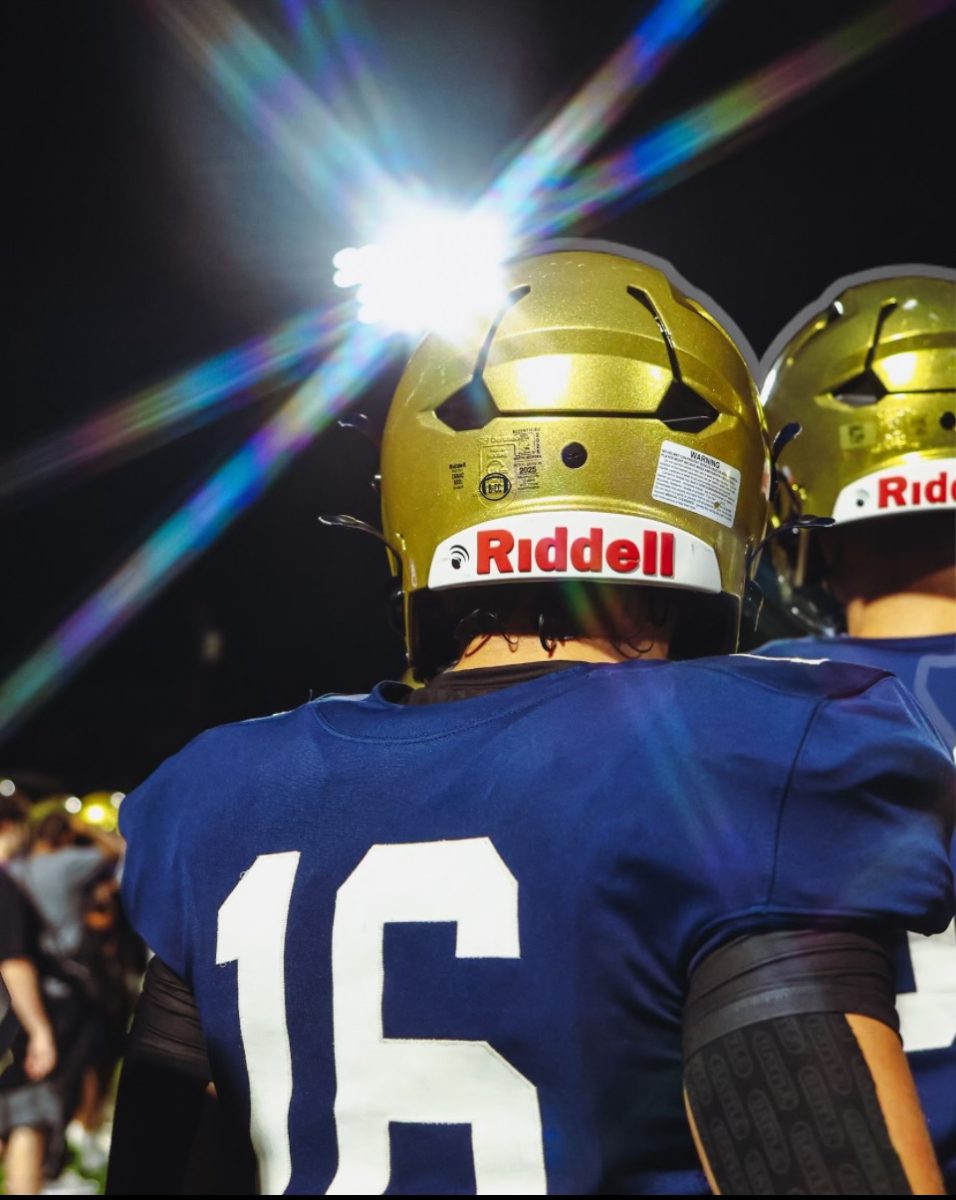
School spirit is not something that the administration can manufacture; it depends on the students, and lately, many have noticed that it’s been fading. Pep rallies are quieter, student sections are barren, and things that used to be fun and unifying now feel forced. I know it’s hard to do this, but I feel like there needs to be more evidence of school spirit dying. Such as describing specifics, for example, find one basketball game or an empty football game. Explain more why people feel school spirit is dying. It’s easy to blame this development on the staff or say that the events just aren’t good enough, but that’s not the full story. School spirit comes down to students deliberately choosing to show up and show that they care. When people stop participating, the energy disappears with them. If school spirit feels like it’s dying, it’s not because it was taken away; it’s because we’ve allowed it to diminish.
Students often fault busy schedules or intense academic pressure as reasons for not participating, but those realities don’t fully explain the shift. What has really changed is students’ willingness to engage. There is more hesitation around being openly enthusiastic, as if showing too much support is somehow embarrassing or isolating. That mindset is contagious throughout student sections at B-CC. Junior Ben Trackman explains, “I think that students should not be afraid to participate in school spirit. A lot of times, people are embarrassed, but it’s more fun when everyone participates. I think that’s one of the biggest issues we should address.” When fewer people dress up, attend games, or participate in events, it lowers the bar for everyone else. What used to feel easy now requires much more effort, and many students have chosen not to make it. Over time, that lack of effort has turned school spirit from something expected to something elective, and that is how the real decline begins.
The steady decline in school spirit doesn’t just affect events in the moment; it changes the overall high school experience. Junior Ava Summerfield remarks, “People are definitely less involved with school spirit at B-CC, and it’s really hurting their enrichment and their high school experience.” Without strong participation, there are fewer opportunities for students to truly connect outside of their usual circles, increasing the social divide rather than unifying students. Traditions that are meant to bring different groups together lose their effectiveness, and fewer moments become long-lasting memories. Gradually, high school becomes less about shared experiences, and students travel from class to class without feeling like they are part of a community larger than themselves. What vanishes with school spirit is not just loud cheering at games, but also the anticipation and sense of belonging that make the high school experience so special.
As school spirit fades, it’s easy to point to the administration as the problem. When events feel dull or poorly planned, it makes sense to question whether enough effort is being put in from the top. Pep rallies can feel forced, and themes don’t always entice students to get involved. Junior Austin Barker says, “I think we can have more spirit weeks throughout the year and start dressing up more for sports teams to get more people thinking about school spirit and representing our school.” If the environment isn’t engaging, it’s reasonable to argue that students are just responding to what has been given. But at the end of the day, school spirit is shaped by the students themselves, so even when events aren’t perfect, it’s up to students to make them worth showing up for.
If anything is going to change next year, it won’t come from one major rebuild but from a different approach to what already exists. Summerfield suggests, “If we get a bigger group of people to all collectively participate, it’ll have a trickle-down effect and more people will be exposed to it.” Instead of idly waiting for better events, students have to create better environments within them by showing up, bringing energy, and making participation the standard. When even a small group sets that tone, it raises expectations and encourages other students to join in.
School spirit has not disappeared; it has been neglected. What happens next depends on whether students continue to stay on the sidelines or decide to take responsibility for the school culture they help define.