The top 1% have historically flaunted their wealth through elaborate mansions and bold colors. Robber Barons in the Gilded Age (from the 1880s to 1910s) built massive mansions, dressed extravagantly), and decked their homes in gold accents. Historically, wealthy people wanted other people to be aware of their capital. Thorstein Veblen, an American sociologist and economist, coined the term “Conspicuous Consumption,” meaning buying things or services to make one’s wealth or status known. Literally a social phenomenon of rich people wanting to show off their wealth.
Past perceptions involved a flaunting of wealth through the way of living; such as buying fancy cars and living in mansions. That idea has been reversed entirely. Now the ultra-wealthy have been focused on the phrase of the moment, “quiet luxury.” Take a look at the expensive yoga brand, Alo.
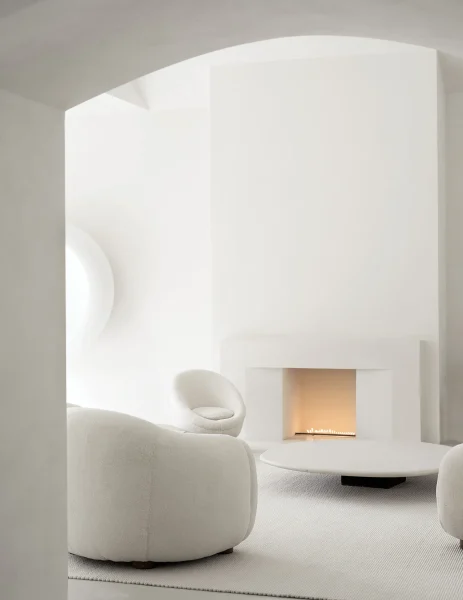
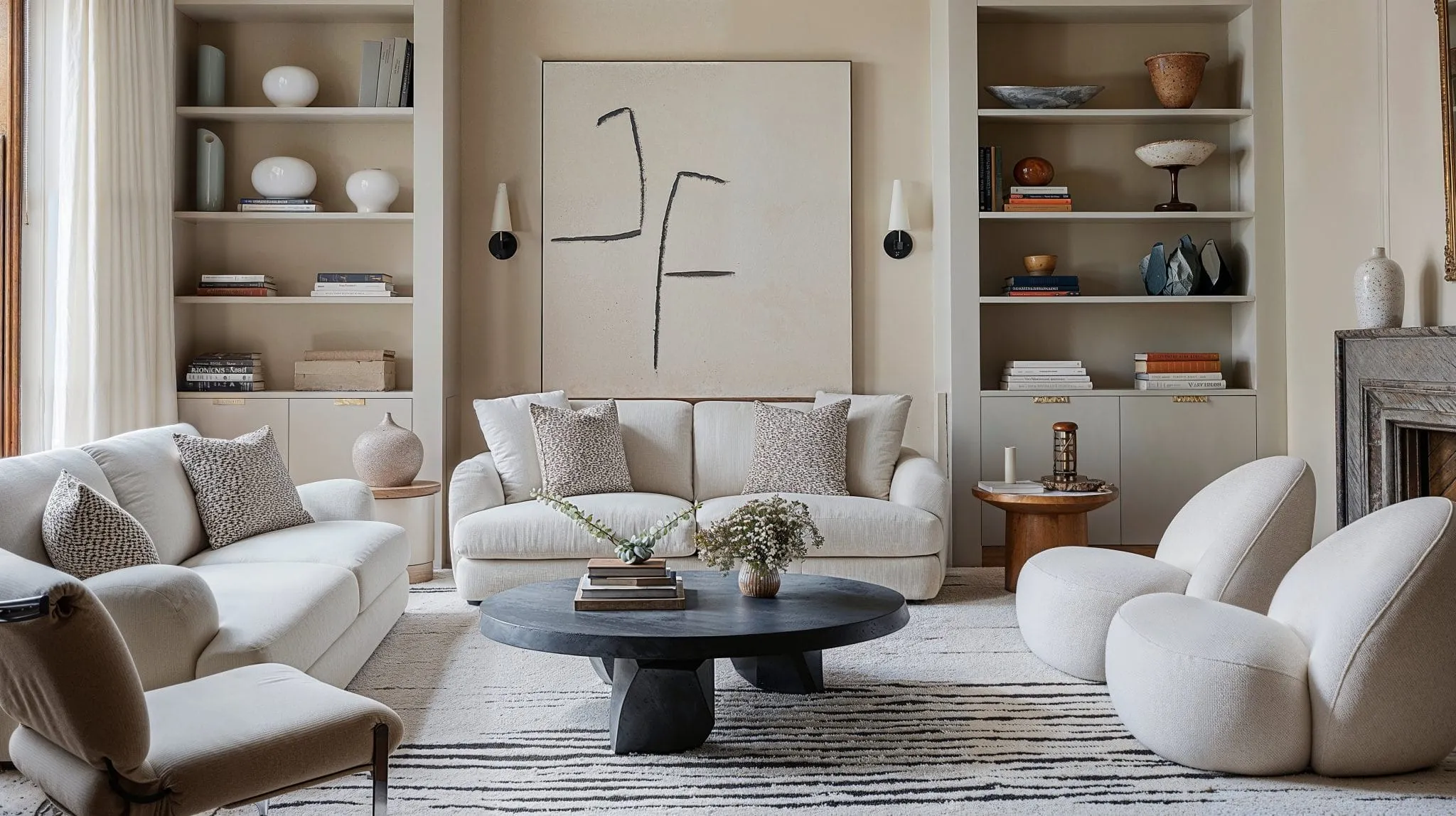
Alo sells a basic brown sweatshirt for $168. What makes this sweatshirt so different, you may ask? It has a tiny, silver Alo logo in the corner. This extremely expensive sweatshirt is basic and frankly boring. In the past, the rich would buy the most extravagant, rare, colorful pieces of clothing. Now, the rich are buying brown sweatshirts for $170. This trend of quiet luxury is not only in fashion but is persistent in interior design as well. Kim Kardashian’s Hidden Hills home alludes to this, for example. The interior is completely white and cream. Kim Kardashian, a billionaire, designed her home to be entirely white. She could have financially afforded anything she wanted to, but instead chose a quiet luxury style of boring white and cream. The style is not loud and does not announce her wealth to anyone. In fact, it is doing the opposite, being calm and hiding her wealth. Through the use of neutral colors, the wealthy are hiding behind their wealth.
Another example of the rise in luxury is the decline in Haute Couture and rise in off-the-shelf clothing. The wealthy used to dress boldly, buying one-of-a-kind Haute Couture dresses. Luxury fashion brands are failing, according to InterBrand; there has been a 5% drop in luxury brand valuations. The wealthy are now buying from off-the-shelf stores like Tuckernuck and Banana Republic.
B-CC junior Wren Stout adds “I think I would agree with you, in the fact that it’s a little more hidden, because, like, wealthy people now, especially in fashion, buy things like athleisure that’s really expensive, […] like Alo you would find in a Walmart.”
There may be some explanation for why the wealthy have not been trying to show off their wealth. Simply put, people do not like rich people. This can be seen politically, on both sides of the political spectrum, as politicians take aim at the rich. Recently, New York democratic political firebrand Alexandria Ocasio-Cortez said on It’s Open podcast hosted by Ilana Glaze, “There’s a certain level of wealth and accumulation that is unearned. You can’t earn a billion dollars. You just can’t earn that. You can get market power, you can break rules, you can abuse labor laws, you can pay people less than what they’re worth, but you can’t earn that.”
AOC directly targets the rich, accusing them of gaining their wealth in unjust ways. The rich seem to be deeply unpopular, this new effort of the rich to hide their wealth behind neutral colors may be a response to the current political climate. Overall, the rich seem to be elusively hiding their wealth, with a decline in conspicuous consumption becoming the new obsession.