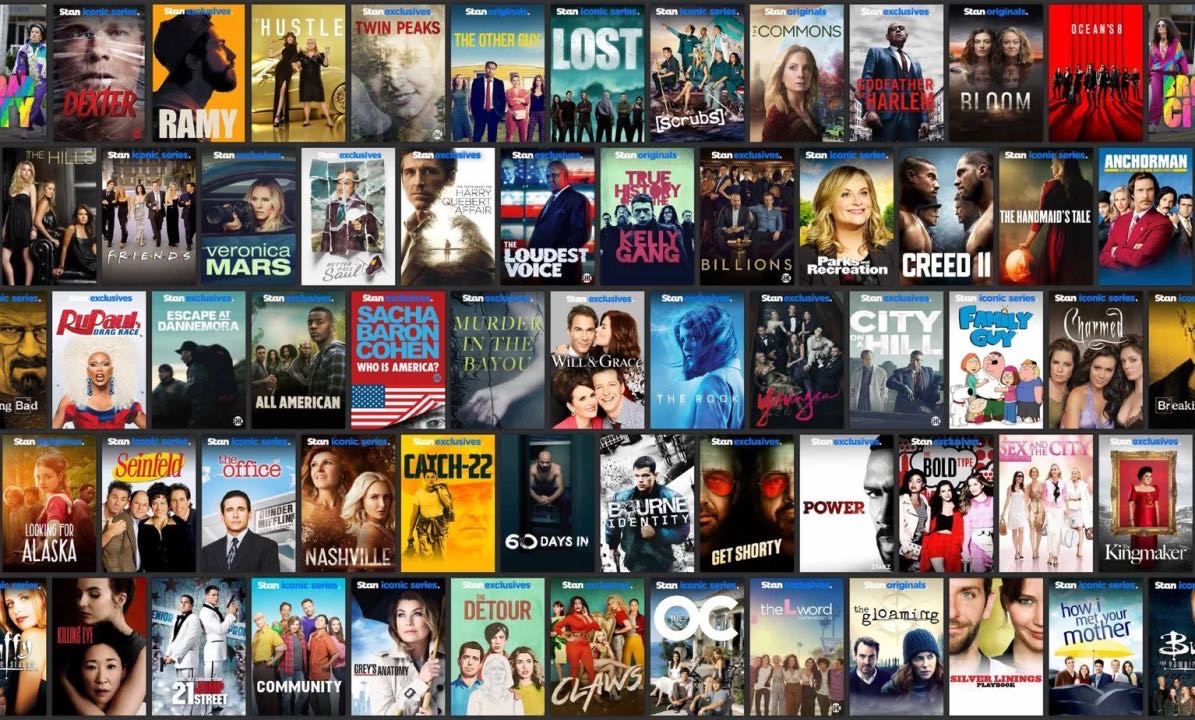
In our modern society, the viewers of your favorite shows and movies aren’t just fans. Rather, they are the ones quietly rewriting culture itself. Recent years saw a new form of visual media emerge: edits. An edit is a compilation of video clips typically arranged to the beat or lyrics of a song. It spans far beyond television, covering sports, politics, science, and more. Online editors have taken over social media and have since revolutionized society’s consumption of content. Yet, with all the buzz, are edits here to stay? And where’d they come from anyway?
It is no secret that society has been permanently altered since going online. The shift started with apps such as Facebook, MySpace, and Twitter around the 2000s. Being initially advertised as a way to connect over long distances, social media has since brought new ways to make friends, share experiences, and find entertainment.
Vine, launched in 2013, introduced a new style of social media oriented on watching and creating six-second loop videos. Vertical scrolling and short-form videos were quickly popularized and set a new standard for online apps. After Vine was shut down, Musical.ly rose in popularity with lip-syncing videos before eventually becoming the worldwide phenomenon, TikTok. Users are often captivated by “doomscrolling,” which creates an addictive and unpredictable dopamine response. TikTok’s personalized For You Pages ensure further that attention is hooked- and kept. Other platforms like Instagram, Snapchat, and YouTube quickly adapted TikTok’s method and together created an international addiction to short-form content. It is safe to say that TikTok has significantly changed society, for better or for worse.
Editing is one way in which TikTok has shaped and entirely altered public culture. Edits are the byproducts of fandoms, a concept that became more popular with the introduction of science fiction, fanfiction, and comic book conventions. TikTok edits are an incredible concept for a few reasons, specifically because they allow fans to contribute to a larger community. In an article from Cosmopolitan, Annabel Iwegbue goes as far as to call editors “the greatest artists of our generation.” She also claims they “turn supporters into brand evangelists,” as editors can publicize shows, movies, sports, and more. Iwegbue uses the famous “Creed” edit from July of 2025 as an example. This one-minute and three-second video has garnered 221.2 million views and 21 million likes. The edit resurrected a 10-year-old fandom and franchise, with comments calling it “insane” and “sensational.”
Many people agree that viewing a sophisticated or well-done edit can generate intense emotional responses. A good edit stands out “when it has aura, when it makes you feel some sort of emotion,” said Oli Martin, a junior at B-CC. It is common for teenagers to find themselves wrapped up in fandoms, looking for people to connect with and relate to. Martin is a member of the Harry Potter fandom. When asked if this was a part of her identity, she stated, “Yeah. I think about Harry Potter every day.” While movie edits are a big part of editing culture, sports edits also generate enthusiasm from fans. B-CC student Jonah Moran explains his experience with editing: “In eighth grade, I used to make them, and I do send sports edits to some of my friends.” Moran claims that there are “a lot of edits for rivalry games,” which can get millions of views. He also emphasizes the impact that edits can have in a business sense, stating, “Edits before the Super Bowl probably hyped up a lot of people to go and watch it.”
Overall, social media has brought various innovative concepts to humanity as a whole, both online and in the physical world. Short-form edits can generate emotional and impactful responses and even elicit reminders of past experiences, perhaps a movie from 10 years ago. Editing is both a form of expression and a way to connect. Welcome to the new era of social media; a world of fusing creativity into short yet meaningful videos that can resonate with millions of people.