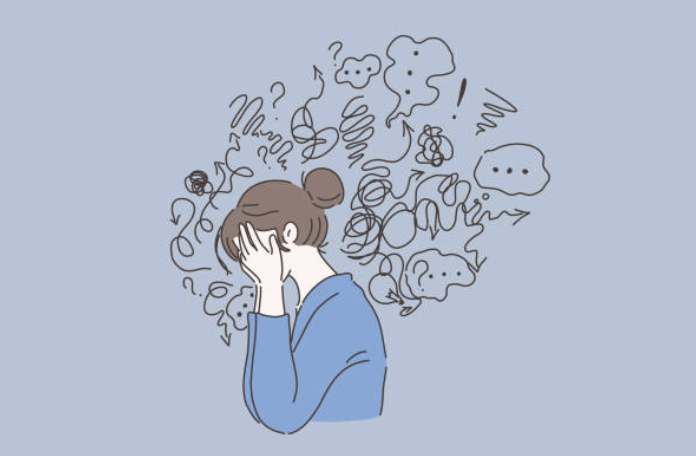
“Where do you see yourself after you graduate?” The question that haunts students the moment they set foot in high school. Although this question seems harmless to the inquirer, for teenagers, it represents the never-ending pressure to ‘figure it all out’. Students face choices that they feel define their paths in life, and at B-CC, an ongoing culture of competition drives many to excel. While this culture allows many students to reach impressive goals and develop important skills, it can also amplify stress, anxiety, and self-doubt. Many students find themselves questioning their choices, comparing themselves to others, and falling victim to perfectionism. In a place where academic expectations are set high, any misstep or deviation from the norm can feel magnified.
When asked, “At what age did you start feeling pressure to have your life figured out?” junior Lucia Castro-Luna answered, “I think once I hit the 15 to 16 age range, everything just started building up pressure from school and parents.” When only one year of high school is under your belt, the pressure simply heightens. College preparation begins early in high school for most students, and while this is an understood expectation, that is not the only kind of future Castro-Luna is referring to. She shares, “Everybody starts talking about what they’re gonna do, where they want to go, and it starts making you feel like you have to start knowing everything when you necessarily don’t.” Keeping grades up and participating in the classroom isn’t the only expectation for students. There is also a social pressure to have a clear plan for college and so forth. While understanding your own interests and goals is not harmful, it can leave students feeling like they are falling short when it becomes more of an obligation, rather than self-discovery.
The drive to meet these expectations is different for every student, but a major motivator for many is their parents. Another junior, Juliet Cliche, said, “I mainly feel pressure from my parents, because I’m the oldest sibling. So my parents expect me to set an example.” Even if it comes from good intentions, parents can hold their children to an unnecessarily high standard. Cliche continues, “They have higher expectations for me as a person, but they’re not realizing that everyone’s moving at their own pace.” Although success looks different for everyone, this reality is often lost in the pursuit of society’s definition of achievement.
Amidst juggling the challenges of planning their futures, students must also maintain other commitments. Castro-Luna explains, “I’m already stressed taking a lot of AP classes, and the stress of getting letters of recommendations, coming up with ideas of what to do over the summer, and thinking about where I want to go or majors I want to do, adds a lot of stress to my already stressful schedule.” This constant pressure can take a serious toll on students’ mental health. As a result, many students experience burnout and aren’t able to perform to the best of their abilities.
Ultimately, the pressure to have “everything figured out” in high school reflects a broader societal ideal that success has one path. While ambition and preparation are important, the constant urgency to solidify one’s future too early can overshadow personal growth and exploration. Castro-Luna shares advice to those in similar positions, “Calm down and know it’s going to be okay, because there are so many different paths you can take.”
At B-CC, students are constantly striving to meet high standards, but what’s most important to remember is that success can look like anything you see fit. Pushing students to prioritize their own self-growth and find the path that works best for them may not eliminate stress and pressure, but it will make it much more manageable in the future.