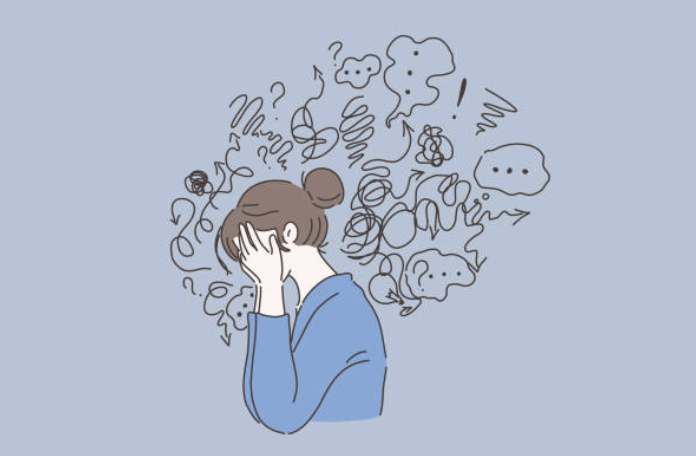
As 2026 kicks off, so do the New Year’s resolutions. Though these resolutions may feel attainable in the beginning, a new semester filled with goals, assignments, and long hours of studying can quickly turn motivation into exhaustion. For many students, the months before spring break and the months immediately following winter break are the most draining of the academic year. Junior Graham Kolakowski calls this period of time “…the dark months of school.” What begins as a hopeful reset often fades out into the long, discouraging months of winter. Many consider this time a major academic burnout; a state of physical, emotional, and mental exhaustion caused by stress, overwork, and gloomy weather. This midyear period is unique because students return from winter break refreshed only to face a seemingly more relentless workload of homework, projects, quizzes, and, now, for some B-CC students, midterms.
This academic pressure is often intensified by factors outside of the classroom. Shorter days and colder weather can affect students’ energy levels and moods, making it harder to stay motivated. Reduced sunlight during the winter months also contributes to symptoms of seasonal depression, which only adds to the stress students have. When the demands of school pile up alongside emotional and physical exhaustion, burnout can feel unavoidable. Another reason midyear burnout impacts students especially hard is they can’t look forward to breaks. The less frequent breaks exacerbate the hopeless feeling. After winter break, students face nearly three uninterrupted months of school before spring break arrives. During this stretch, many students are balancing academics with extracurriculars, jobs, sports, and social commitments. “There’s no real pause,” said sophomore Evan Koblentz. “It feels like once January starts, you’re just grinding until April.” Without time to mentally reset, stress can accumulate quickly, leading students to feel overwhelmed or drained.
Despite how common burnout is, there are many ways students can manage it. School counselors and experts in teen health emphasize the importance of sleep, routine, and balance. Maintaining consistent sleep schedules, even during busy weeks, can improve focus and emotional regulation, preventing every day from feeling like a struggle to stay awake. Mental health professionals also found that participating in an athletic activity at least once during the day can help to regulate moods and boost serotonin. It is equally important to learn when to take breaks and to ask for help. Talking to teachers, counselors, or friends can ease stress and remind students that they are not alone in feeling burnt out. Setting realistic goals and breaking assignments into smaller tasks can also ensure calmer and less overwhelming afternoons.
While the “dark months of school” may feel endless, they are temporary. Acknowledging burnout and taking steps to manage it can help students push through this challenging period. With spring break on the horizon and warmer days ahead, the winter grind will eventually turn into renewed energy. Until then, recognizing burnout and taking steps to manage it can help students navigate this demanding season and finish the year strong.