The sea levels are rising, heat is intensifying, ecosystems are being destroyed – the clock is slowly ticking to the point where climate change will be irreversible. Advocacy against climate change has been active since the 1970s, but has become increasingly more prominent in the past decade. If social pressures of participating in sustainable practices are so pushed upon people, why are the devastating repercussions of climate change getting significantly worse day by day? Social pressure hasn’t actually helped the environment; it has just forced people to become better liars.
Many actions regarding climate change are performative, and social pressures make many feel the need to speak out or to hold certain beliefs. Although many are fully aware of the dangers of climate change and the ongoing harm it has done to our environment, they won’t take the extra step to actually take action to make a difference. They feel as though their words are enough to show they care. In an ideal world, we could all just say we want climate change to disappear, but unfortunately, that isn’t the case. Words without action are unproductive and we are reaching the point where no actions will be able to compensate for the damage done. Finley Hatzfeld is a junior at BCC who had agreed with this claim. Hatzfeld said, “I agree to a certain extent. I do believe that some people are shallow in their words and not ready to back it up with action. I think a lot of people feel pressure in social settings out in public or in school to use sustainable practices. But at home or when nobody is watching, um, those same people will just not follow through on their word.” Hatzfeld also noted that any form of advocacy does help in some sort of way even if it’s minimal.
At this point, it is quite clear what simple sustainable practices are, and how they can be applied to one’s daily life. Whether it’s at your school, in the neighborhood, or in the news, most people have been exposed to some sort of public advocacy for climate change and have been informed or first hand seen its impacts. Arsen Senic, Junior at BCC says, “Yes I agree, I think people like to say they support climate change but it’s still a long term issue. They don’t change their behaviors based on what they say. Um, I think people like to promote environmental practices like recycling and not driving cars and not polluting the environment but they don’t actually take public transport or anything that supports climate change.”
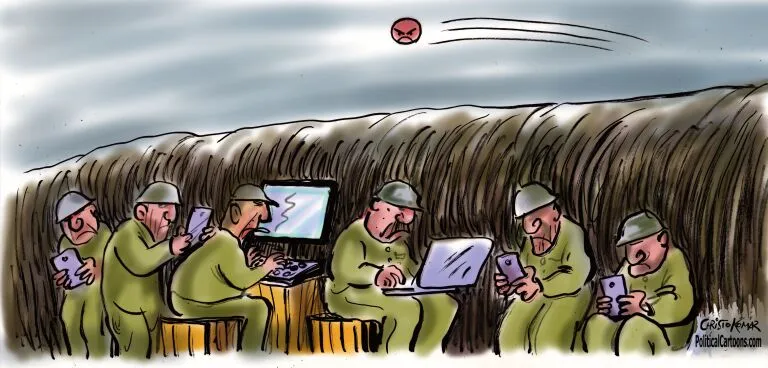
It’s very evident that AI has now become a tool many people use in their daily lives. The technology used for AI produces electronic waste and has a high demand for water at the data centers. For instance, it has now become the case where people preach about the dangers of climate change but will continue to use AI frequently. Austin Barker, a Junior at BCC, says he believes it’s “Because it’s a very easy way to get a lot of things done more efficiently than if you were to do it otherwise. It’s also very popular among people our age, so when people see other people using it they feel like they need to catch up and learn how to use it too.”
We all seem to care about climate change and want to see a visible difference, but we still continue to drive to school everyday, fail to recycle, and use AI. The reality is if no actions change we will continue to see the devastating impacts of our habits. If we all truly make a change in our daily behavior – whether that’s carpooling to school, recycling more or minimizing the use of AI – we will have an opportunity to save our planet.