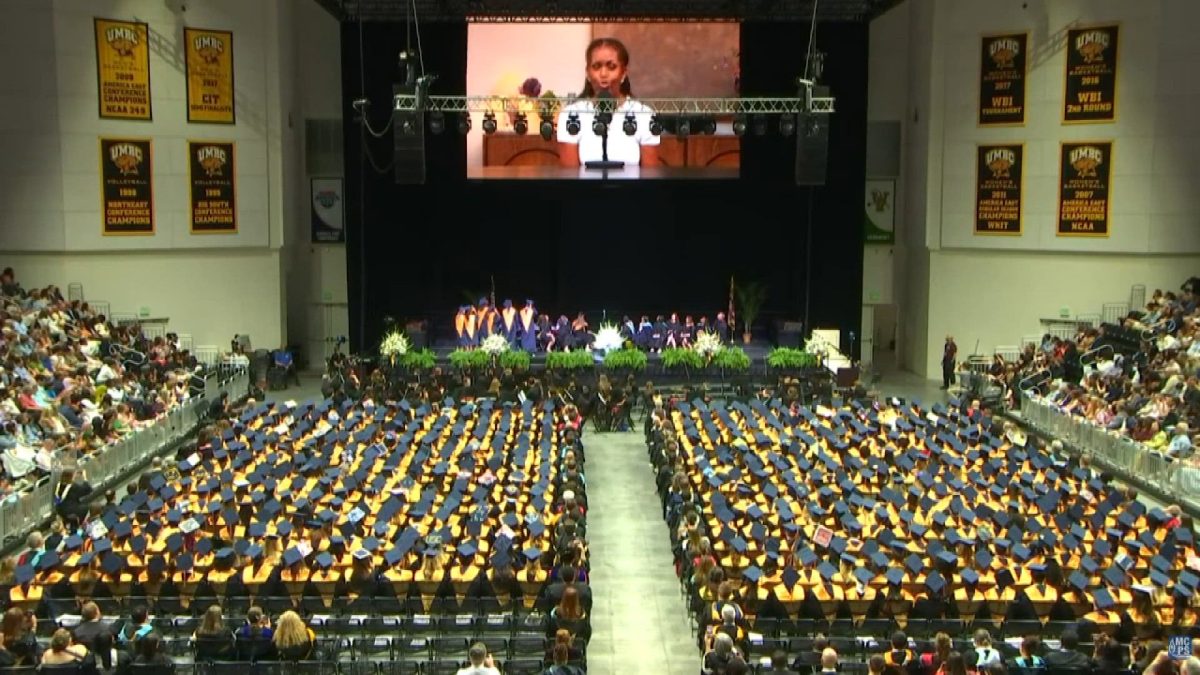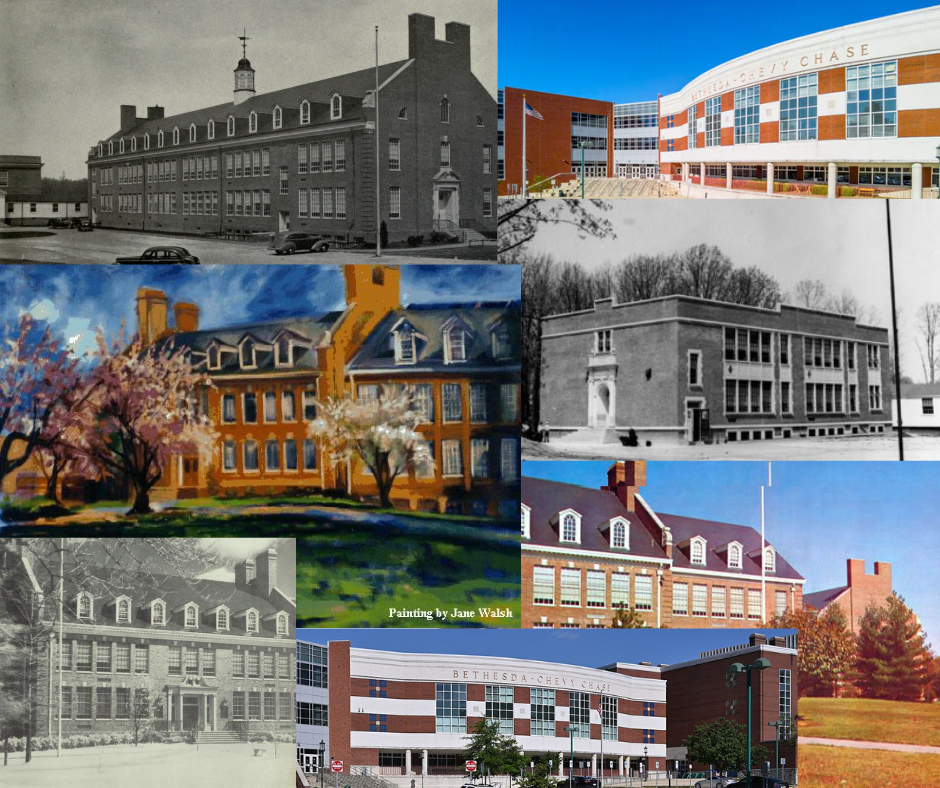
In 1925, in a small wooded suburb of Washington, D.C., Bethesda, a small brick schoolhouse opened its doors. Now, a century later, Bethesda-Chevy Chase High School is celebrating its 100th graduating class.
The school has made significant progress since its original 14 classrooms and fewer than 400 total students. The hundred-year-old building on East-West Highway has witnessed multiple World Wars, was nearly burned to the ground, and even experienced the dawn of American civil rights.
As we come to the end of Black History Month, it’s important to take note of how far we’ve come since the integration of American schools in the mid-1950s.
1955: Post Brown V. Board of Education
Dr. Betty Holston Smith was one of the first African American students to arrive at B-CC. Largely unnoticed and regarded as “invisible” by her white counterparts, Dr. Smith, among many other Black high schoolers, felt isolated and dispirited for most of her high school years.
“It was a really tough time,” said Dr. Smith, who graduated from B-CC in 1959.
Betty Holston Smith’s story is an intriguing tale of bullying, racism, and determination. She originally attended Carver, the “colored” high school in Rockville. One day after school, Smith’s father informed her that she would instead attend the public school a mile from her house, B-CC.
Her first day was a stark contrast to the usual joys of reuniting with friends and seeing old teachers. Dr. Smith was spat on in the halls and even attacked by her white peers while walking towards her school bus. After that first day, Smith vowed never to ride the bus again. Her entire initial year of B-CC was defined by ignorance, racial obscenities, and even physical abuse.
“You know something? They were invisible. There were so few Black students that I don’t think we paid any mind one way or another. . .They just existed apart. I think they probably felt like Ralph Ellison’s Invisible Man: I’m here, and nobody sees me,” quoted Peter Messitte, a 1959 B-CC graduate.
Segregation in Bethesda
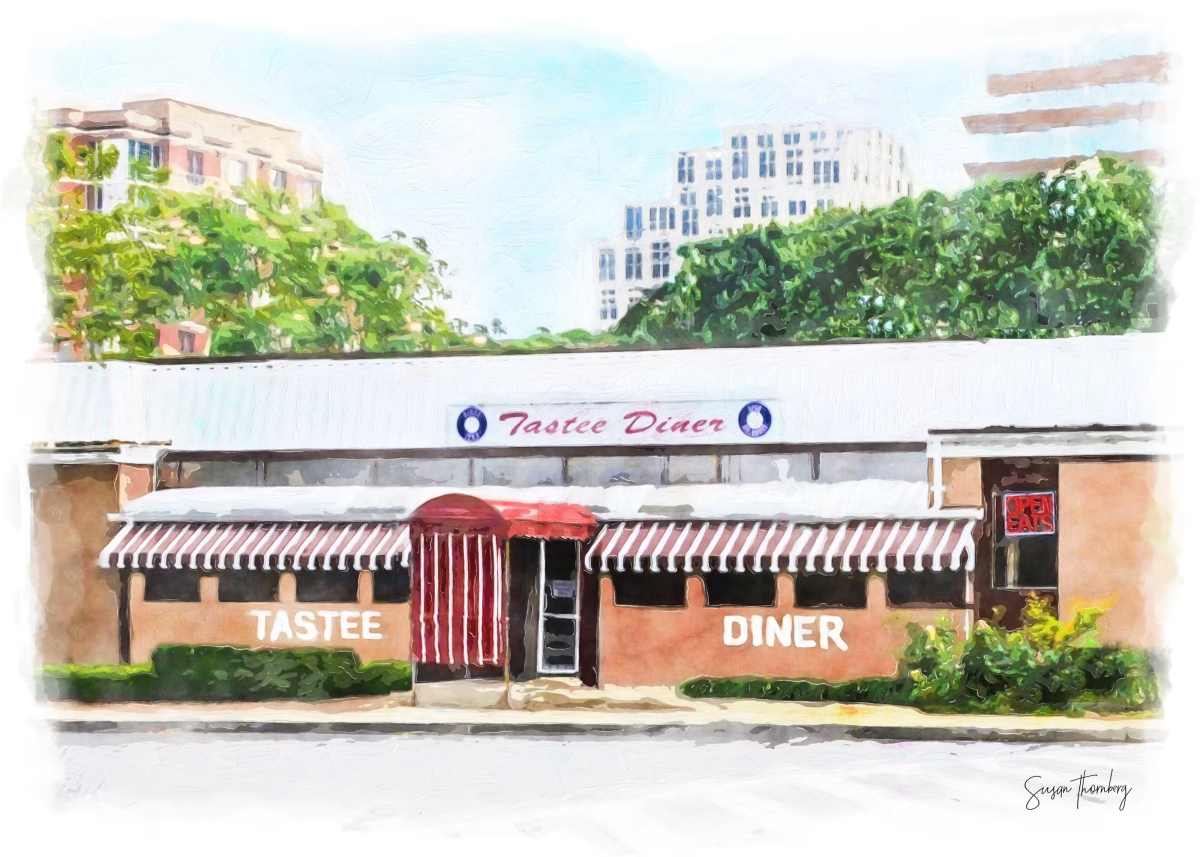
These racial inequities manifested far into the Bethesda area as well. While B-CC students now enjoy popular lunch spots such as Starbucks, Andy’s, or Dunkin’, Bethesda was previously an epicenter for family diners— many of them submitting to segregationist policies. Former B-CC student Rebecca Regan-Sachs explained, “The Hot Shoppes and Little Tavern restaurants down the road refused to serve blacks, and so African-American students would go around to the back of the restaurants and knock on the kitchen door.” Students would place their orders, pay at a back window, and eat on wooden benches rather than in lavish booths reserved for White students.
1960 – 1970: Vietnam & Class Inequities
Students would slowly learn acceptance throughout the next 10 years, albeit with a great deal of social change in B-CC’s wake. With the rise of the Vietnam War, youth protests became extremely prevalent in Bethesda. While upper-class students could “pay their way” out of war drafts by attending college or finding government loopholes, lower-income students and their families were immediately drafted and sent to foreign front lines. This created new disparities, clashing with the already contentious themes, such as racism in society. Rich versus poor. Black versus White. Rebellious trailblazers versus conservative snobs.
Teenagers turned towards a new era of insurgency in the 70s. For example, after the famous anti-war Kent State shooting, students reacted by “skipping school, triggering a false fire alarm, setting off a smoke bomb, and attempting to lower the American flag on the school lawn to half-mast,” according to Regan-Sachs.
Yet, while B-CC students’ minds were occupied elsewhere, the fight for civil rights was far from over.
1970: Busing and Beyond
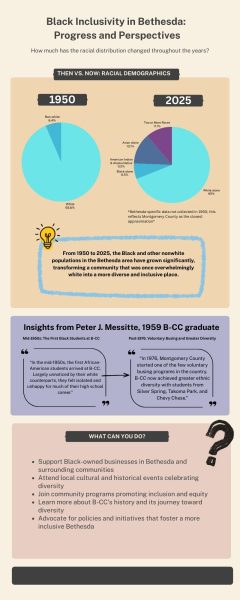
1976 marked a new chapter in Montgomery County’s efforts to address ethnic diversity disparities. That year, the county launched one of the few voluntary busing programs in the county, which successfully led to the expansion of B-CC’s student body beyond the immediate Bethesda area; students from Silver Spring, Takoma Park, and Chevy Chase began attending the school, which brought a broader range of backgrounds and experiences together. The increase in school population prompted the renovation of the old building to accommodate the influx of new students, with construction completed in 1979. That same year, B-CC welcomed its first class of ninth graders. The total school population increased to nearly 1,700 and marked a turning point in the school’s demographic history.
2026: New Initiatives?
Today, B-CC’s demographics reflect the wide diversity of American society. Yes, Bethesda Chevy-Chase is located in a rather affluent area of Maryland, but the county is actively working to reduce ethnic disparities. The school currently comprises about 48% White students, 21% Hispanic, 17% Black, and 7% Asian students.
New initiatives, such as the redistricting for Woodward High School, would change Bethesda schooling zones and create a more diverse student body. We still have much work to do, but it’s important to see how far we’ve come since the integration of B-CC in 1956. In this upcoming centennial celebration, especially, we give thanks to brave souls like Dr. Betty Smith, whose courage shattered barriers and forged a righteous path toward change.